Best Shades for Glass Roofs That Control Heat

September 11, 2026
September 11, 2026

Best Shades for Glass Roofs That Control Heat

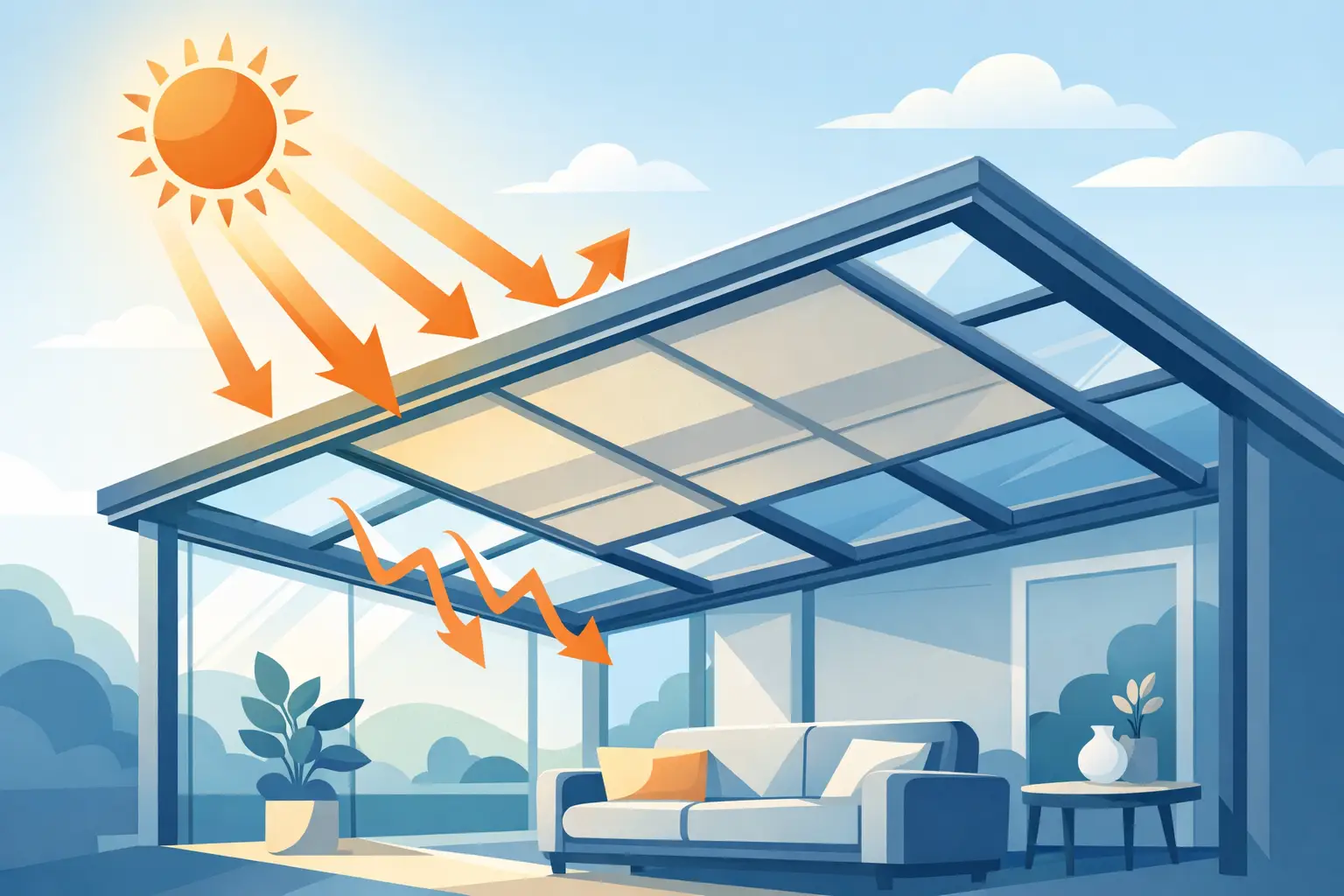
A glass roof can turn an ordinary room into the brightest, most impressive space in the home. It can also turn that same room into a heat trap by noon. The best shades for glass roofs do more than soften sunlight. They manage solar heat, cut harsh glare, protect furnishings, and give you command over a space that is often difficult to reach.

For a skylight above a stairwell, a glass conservatory roof, a covered patio, or a dramatic double-height extension, standard curtains are rarely the answer. Glass-roof shading needs to follow the architecture precisely, stay taut across angled or horizontal surfaces, and operate reliably every day. The right system makes the space feel intentional rather than exposed.

What Makes a Glass-Roof Shade Work?

A glass roof receives direct overhead sun, which is more demanding than light through a vertical window. Heat builds quickly, especially in rooms with large glazed areas, dark flooring, or limited airflow. The shade must therefore control more than brightness. It needs to create a thermal buffer between the glass and the occupied space below.

Fit is equally critical. A loose blind may sag, allow light gaps, or fail to cover an unusually shaped opening. Purpose-built skylight and ceiling-blind systems use tensioned cords, side guides, or engineered tracks to keep the fabric stable across the glass. This gives the ceiling a clean, tailored finish whether the roof is flat, sloped, rectangular, or made up of several panels.

Operation should be considered early as well. If a shade is above a dining table, over a pool area, or several stories up in an atrium, manual control quickly becomes inconvenient. Motorization turns an inaccessible roof window into a practical daily comfort feature.

Best Shades for Glass Roofs by Performance Need

There is no single best option for every glass roof. The strongest choice depends on whether the priority is insulation, blackout, a minimal visual effect, or protection for a semi-outdoor space.

Honeycomb blinds for heat insulation

Honeycomb blinds are one of the most effective answers for glass roofs where indoor heat is the main complaint. Their cellular construction traps a layer of air, helping reduce heat transfer through the glass. In a sun-facing bedroom, top-floor living room, or enclosed garden room, that extra insulation can make the area noticeably more comfortable during peak afternoon hours.

They also bring a softer architectural look than a conventional roller blind. The pleated fabric sits neatly within the roof opening and can be specified in light-filtering or blackout materials. Blackout honeycomb shades are particularly suited to bedrooms, media rooms, and spaces where a skylight causes early-morning glare.

The trade-off is that honeycomb fabric is designed primarily for interior conditions. For an exposed outdoor glass canopy, choose a weather-ready guided system instead of an indoor blind.

Tensioned skylight blinds for angled and overhead glass

Tensioned skylight blinds are built for the surfaces that ordinary blinds cannot handle. They are held in place by guided wires or tracks, allowing the fabric to travel smoothly across sloped, horizontal, and hard-to-reach glazing. This makes them a strong choice for roof lanterns, atriums, pitched skylights, and modern glass extensions.

The visual result is clean and disciplined. When retracted, the shade stacks compactly, preserving the open-glass design. When closed, it creates a controlled ceiling plane that reduces glare without making the room feel heavy.

For larger installations, motorized tensioned systems are the practical specification. They remove the need for poles, ladders, or awkward manual mechanisms and give homeowners consistent control over every panel.

Roller shades for clean, modern light control

A roller shade is often the most design-conscious choice for a flat or gently sloped glass roof with straightforward dimensions. It offers a crisp, minimal profile and a broad range of fabrics, from solar-filtering screens to room-darkening materials.

Screen fabrics are useful in living spaces where you want daylight without the blinding intensity of direct sun. They soften glare and preserve a sense of openness, although they will not deliver full blackout or the same insulating effect as a honeycomb structure. Blackout roller fabrics offer stronger light control, but side gaps must be carefully managed if darkness is the goal.

For a glass-roof system, the roller mechanism should be paired with suitable guides or tension control. That is what keeps the shade aligned and prevents the fabric from drooping over time.

Zip-guided shades for exposed glass canopies

When the glass roof sits over an outdoor terrace, pergola, balcony, or café seating area, the problem is no longer sunlight alone. Wind, rain, dust, insects, and side-angle glare enter the equation. Zip-guided outdoor blinds create a more protected outdoor room by locking the fabric edges into side tracks.

These systems are especially effective around glass-roof structures because they can be installed as vertical perimeter screens while a roof shade handles overhead light. Together, they create a flexible enclosure: open when the weather is pleasant, shaded when the sun becomes severe, and more private when neighbors are close by.

Outdoor fabrics should be selected for weather resistance and UV stability rather than softness alone. A high-performance exterior screen may feel more structured than an interior fabric, but it is built to keep its appearance and function under changing conditions.

Inside, Outside, or Both?

Interior shading is generally easier to protect, maintain, and coordinate with the rest of the room. It is ideal when the main need is privacy, glare reduction, insulation, and a refined ceiling finish. Honeycomb and guided skylight systems belong naturally in this category.

Exterior shading stops a greater share of solar energy before it reaches the glass, making it highly effective for intense sun exposure. It is often the better choice for west-facing roofs, outdoor glass canopies, and projects where cooling comfort is the main objective. However, exterior systems must be engineered for wind exposure, drainage, and long-term weather performance.

For premium glass extensions and hospitality spaces, combining both approaches can be the smartest move. An exterior screen blocks the harshest sun, while an interior shade finishes the space and gives occupants precise control over atmosphere.

Why Motorization Changes the Experience

A beautiful glass roof loses much of its value if controlling the shade feels like a chore. Motorized systems make it easy to respond to changing light throughout the day. Open the shades in the morning, lower them before the afternoon heat arrives, or close blackout fabric for a more restful evening.

Automation adds another level of performance. Timers and smart controls can operate roof shades according to a daily schedule, while sun sensors can help protect interiors when sunlight becomes excessive. This is especially valuable in vacation homes, high-ceilinged residences, show units, offices, and hospitality projects where no one should need to manually manage multiple overhead blinds.

Smart Curtain Malaysia designs integrated shade systems for these architectural conditions, combining guided operation, tailored fabrics, and motorized control for glass roofs that need more than a basic window covering.

Specify the Shade Before the Glass Roof Is Finished

The best time to plan a glass-roof shade is before installation is complete. Early planning allows space for side tracks, cassette housings, power supply, access panels, and clean fabric stacking. It also prevents the common mistake of choosing a blind only after glare and heat have already become a daily frustration.

Measure each glass section accurately, including the angle, framing depth, obstructions, and opening direction. Large roofs may need to be divided into separate panels for smoother operation and better fabric tension. This is not a compromise. Proper paneling often creates a more polished result and makes maintenance easier.

Fabric color deserves careful thought too. Pale fabrics brighten the room and can reflect more light, while darker fabrics reduce glare more decisively and create a stronger visual contrast. The right choice depends on the room’s orientation, the desired mood, and whether the shade is meant to disappear into the ceiling or become a deliberate design feature.

A glass roof should give a room drama, daylight, and a stronger connection to the outdoors. With a properly specified shading system, it can do all of that without forcing you to live with glare, overheated interiors, or an unusable space beneath it.

September 11, 2026

Best Shades for Glass Roofs That Control Heat

A glass roof can turn an ordinary room into the brightest, most impressive space in the home. It can also turn that same room into a heat trap by noon. The best shades for glass roofs do more than soften sunlight. They manage solar heat, cut harsh glare, protect furnishings, and give you command over a space that is often difficult to reach.

For a skylight above a stairwell, a glass conservatory roof, a covered patio, or a dramatic double-height extension, standard curtains are rarely the answer. Glass-roof shading needs to follow the architecture precisely, stay taut across angled or horizontal surfaces, and operate reliably every day. The right system makes the space feel intentional rather than exposed.

What Makes a Glass-Roof Shade Work?

A glass roof receives direct overhead sun, which is more demanding than light through a vertical window. Heat builds quickly, especially in rooms with large glazed areas, dark flooring, or limited airflow. The shade must therefore control more than brightness. It needs to create a thermal buffer between the glass and the occupied space below.

Fit is equally critical. A loose blind may sag, allow light gaps, or fail to cover an unusually shaped opening. Purpose-built skylight and ceiling-blind systems use tensioned cords, side guides, or engineered tracks to keep the fabric stable across the glass. This gives the ceiling a clean, tailored finish whether the roof is flat, sloped, rectangular, or made up of several panels.

Operation should be considered early as well. If a shade is above a dining table, over a pool area, or several stories up in an atrium, manual control quickly becomes inconvenient. Motorization turns an inaccessible roof window into a practical daily comfort feature.

Best Shades for Glass Roofs by Performance Need

There is no single best option for every glass roof. The strongest choice depends on whether the priority is insulation, blackout, a minimal visual effect, or protection for a semi-outdoor space.

Honeycomb blinds for heat insulation

Honeycomb blinds are one of the most effective answers for glass roofs where indoor heat is the main complaint. Their cellular construction traps a layer of air, helping reduce heat transfer through the glass. In a sun-facing bedroom, top-floor living room, or enclosed garden room, that extra insulation can make the area noticeably more comfortable during peak afternoon hours.

They also bring a softer architectural look than a conventional roller blind. The pleated fabric sits neatly within the roof opening and can be specified in light-filtering or blackout materials. Blackout honeycomb shades are particularly suited to bedrooms, media rooms, and spaces where a skylight causes early-morning glare.

The trade-off is that honeycomb fabric is designed primarily for interior conditions. For an exposed outdoor glass canopy, choose a weather-ready guided system instead of an indoor blind.

Tensioned skylight blinds for angled and overhead glass

Tensioned skylight blinds are built for the surfaces that ordinary blinds cannot handle. They are held in place by guided wires or tracks, allowing the fabric to travel smoothly across sloped, horizontal, and hard-to-reach glazing. This makes them a strong choice for roof lanterns, atriums, pitched skylights, and modern glass extensions.

The visual result is clean and disciplined. When retracted, the shade stacks compactly, preserving the open-glass design. When closed, it creates a controlled ceiling plane that reduces glare without making the room feel heavy.

For larger installations, motorized tensioned systems are the practical specification. They remove the need for poles, ladders, or awkward manual mechanisms and give homeowners consistent control over every panel.

Roller shades for clean, modern light control

A roller shade is often the most design-conscious choice for a flat or gently sloped glass roof with straightforward dimensions. It offers a crisp, minimal profile and a broad range of fabrics, from solar-filtering screens to room-darkening materials.

Screen fabrics are useful in living spaces where you want daylight without the blinding intensity of direct sun. They soften glare and preserve a sense of openness, although they will not deliver full blackout or the same insulating effect as a honeycomb structure. Blackout roller fabrics offer stronger light control, but side gaps must be carefully managed if darkness is the goal.

For a glass-roof system, the roller mechanism should be paired with suitable guides or tension control. That is what keeps the shade aligned and prevents the fabric from drooping over time.

Zip-guided shades for exposed glass canopies

When the glass roof sits over an outdoor terrace, pergola, balcony, or café seating area, the problem is no longer sunlight alone. Wind, rain, dust, insects, and side-angle glare enter the equation. Zip-guided outdoor blinds create a more protected outdoor room by locking the fabric edges into side tracks.

These systems are especially effective around glass-roof structures because they can be installed as vertical perimeter screens while a roof shade handles overhead light. Together, they create a flexible enclosure: open when the weather is pleasant, shaded when the sun becomes severe, and more private when neighbors are close by.

Outdoor fabrics should be selected for weather resistance and UV stability rather than softness alone. A high-performance exterior screen may feel more structured than an interior fabric, but it is built to keep its appearance and function under changing conditions.

Inside, Outside, or Both?

Interior shading is generally easier to protect, maintain, and coordinate with the rest of the room. It is ideal when the main need is privacy, glare reduction, insulation, and a refined ceiling finish. Honeycomb and guided skylight systems belong naturally in this category.

Exterior shading stops a greater share of solar energy before it reaches the glass, making it highly effective for intense sun exposure. It is often the better choice for west-facing roofs, outdoor glass canopies, and projects where cooling comfort is the main objective. However, exterior systems must be engineered for wind exposure, drainage, and long-term weather performance.

For premium glass extensions and hospitality spaces, combining both approaches can be the smartest move. An exterior screen blocks the harshest sun, while an interior shade finishes the space and gives occupants precise control over atmosphere.

Why Motorization Changes the Experience

A beautiful glass roof loses much of its value if controlling the shade feels like a chore. Motorized systems make it easy to respond to changing light throughout the day. Open the shades in the morning, lower them before the afternoon heat arrives, or close blackout fabric for a more restful evening.

Automation adds another level of performance. Timers and smart controls can operate roof shades according to a daily schedule, while sun sensors can help protect interiors when sunlight becomes excessive. This is especially valuable in vacation homes, high-ceilinged residences, show units, offices, and hospitality projects where no one should need to manually manage multiple overhead blinds.

Smart Curtain Malaysia designs integrated shade systems for these architectural conditions, combining guided operation, tailored fabrics, and motorized control for glass roofs that need more than a basic window covering.

Specify the Shade Before the Glass Roof Is Finished

The best time to plan a glass-roof shade is before installation is complete. Early planning allows space for side tracks, cassette housings, power supply, access panels, and clean fabric stacking. It also prevents the common mistake of choosing a blind only after glare and heat have already become a daily frustration.

Measure each glass section accurately, including the angle, framing depth, obstructions, and opening direction. Large roofs may need to be divided into separate panels for smoother operation and better fabric tension. This is not a compromise. Proper paneling often creates a more polished result and makes maintenance easier.

Fabric color deserves careful thought too. Pale fabrics brighten the room and can reflect more light, while darker fabrics reduce glare more decisively and create a stronger visual contrast. The right choice depends on the room’s orientation, the desired mood, and whether the shade is meant to disappear into the ceiling or become a deliberate design feature.

A glass roof should give a room drama, daylight, and a stronger connection to the outdoors. With a properly specified shading system, it can do all of that without forcing you to live with glare, overheated interiors, or an unusable space beneath it.

error: Content is protected !!