

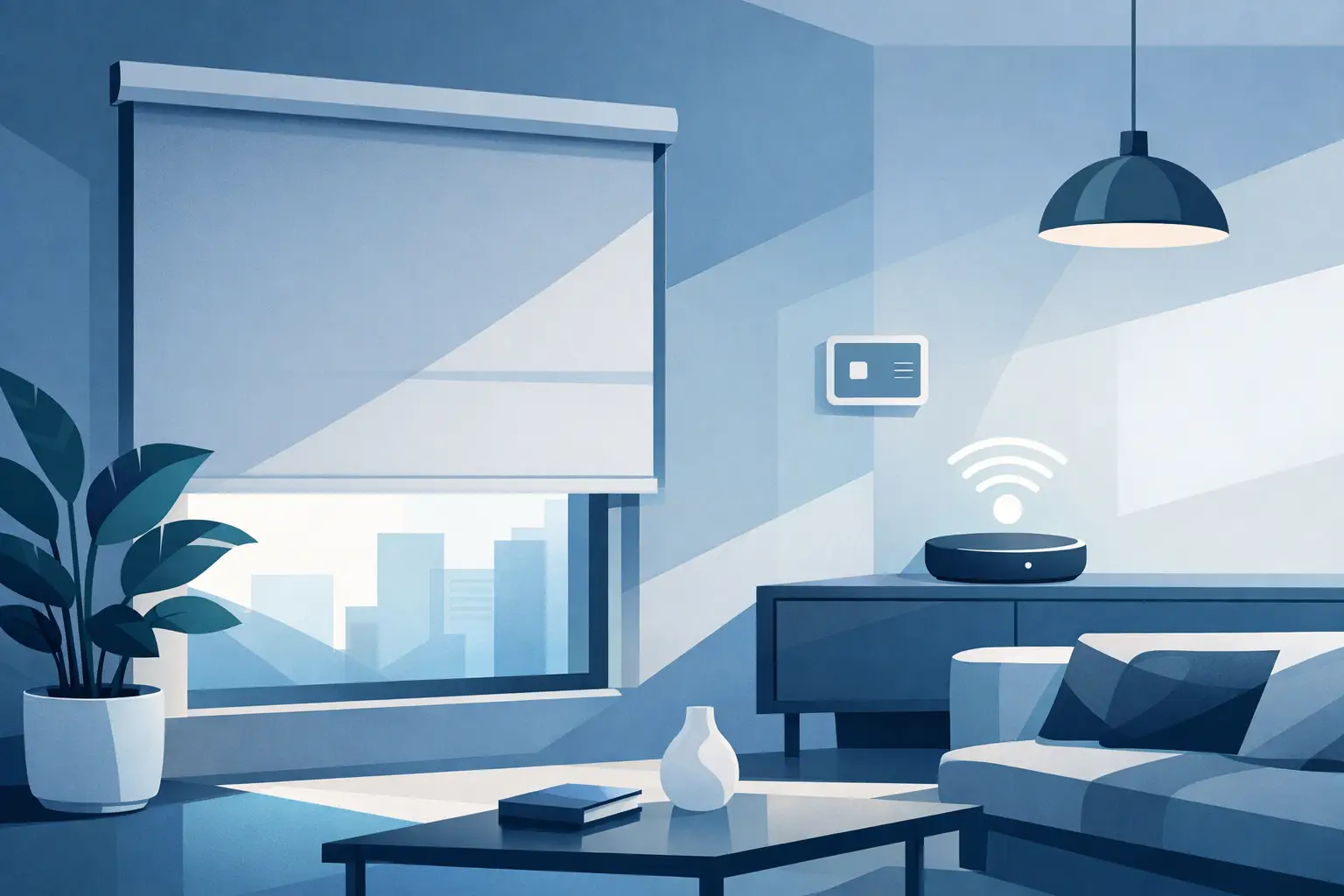
A west-facing window can turn a beautiful living room into the hottest seat in the house by midafternoon. The right roller blinds change that experience immediately: harsh glare softens, privacy becomes effortless, and the room keeps its clean architectural lines. For homeowners who want more than decorative fabric at the window, a roller system is one of the most direct ways to improve daily comfort.
Unlike layered curtains that need more stacking space, roller blinds sit neatly within the window area and disappear upward when open. That makes them a powerful choice for apartments, condominiums, landed homes, offices, hospitality spaces, and development projects where every view and every square foot matters.
Why Roller Blinds Work in Modern Interiors
The best window treatment does not compete with the room. It supports how the room is used. Roller blinds have a minimal profile, a broad fabric selection, and a simple operating principle that suits contemporary interiors especially well. Open them for daylight and views. Lower them when direct sun, heat, or unwanted visibility becomes a problem.
Their strength is control. A light-filtering fabric can soften an intense afternoon without turning the room dark. A blackout fabric can create genuine darkness for bedrooms, media rooms, and spaces where rest matters. A sunscreen fabric can preserve an outward view during the day while reducing glare on screens and furniture.
This flexibility is why roller blinds work across very different spaces. A homeowner may want a calm, softly lit dining area. An interior designer may need a consistent facade appearance across multiple units. A hotel operator may need blackout performance that guests can operate without confusion. The format is simple, but the result can be highly tailored.
Choose the Fabric Before Choosing the Color
Color matters, but performance comes first. The fabric determines how much light enters, how much privacy the room receives, and how the window feels at different hours. A white or pale fabric can look light and spacious, yet the openness of its weave will still determine whether it manages glare effectively.
Sunscreen Fabric for Daytime Views
Sunscreen roller fabric is designed for rooms where daylight and views are part of the appeal. It filters bright sun and helps reduce glare while maintaining a connection to the outdoors. This is a strong option for living rooms, home offices, lounges, reception areas, and condominiums with city or garden views.
The trade-off is nighttime privacy. When interior lights are on and it is dark outside, an open-weave sunscreen fabric does not provide the same privacy as blackout material. For exposed windows, pair daytime sunscreen blinds with curtains or choose a dual-blind arrangement.
Light-Filtering Fabric for Soft Everyday Light
Light-filtering fabrics diffuse sunlight rather than blocking it completely. They are ideal when the goal is to remove the sharpness from daylight and give a room a gentle, finished atmosphere. Think dining rooms, family spaces, hallways, and areas where full darkness is not necessary.
This option can make large glazing feel more comfortable without making the architecture feel closed off. It also works well in interiors that rely on natural light to show off warm timber, stone, textured walls, or carefully selected furnishings.
Blackout Fabric for Complete Privacy and Rest
Blackout roller blinds are built for spaces that need stronger light control. Bedrooms, nurseries, media rooms, meeting rooms, and hospitality suites benefit most. A blackout fabric blocks the fabric itself, but true room-darkening performance also depends on the installation.
Standard roller blinds have small light gaps at the sides because the fabric must clear the brackets. For a room where darkness is non-negotiable, consider a cassette, side channels, or a system designed to reduce edge light. This detail is often overlooked during selection, then noticed on the first bright morning.
Roller Blinds Need to Match the Window, Not Just the Room
Large windows are not simply small windows with more fabric. Wider spans place greater demands on the tube, brackets, and operating system. Tall windows can be difficult or unsafe to reach manually. Glass corners, sliding doors, recessed frames, and full-height facades each need a measured solution rather than an off-the-shelf guess.
A clean finish starts with where the blind will sit. Inside mounting places the system within the window recess for a precise, built-in look. Outside mounting extends beyond the opening and can provide better coverage, especially when the frame is shallow or when reducing light gaps is the priority.
For wide openings, separate blinds may be more practical than one oversized panel. Multiple blinds make it easier to manage light by zone and reduce the weight of each unit. The compromise is that there will be small gaps between panels. In a living area, that may be barely noticeable. In a blackout bedroom or presentation room, it may influence the final design.
Manual or Motorized: Select for How the Space Is Used
Manual roller blinds remain an excellent solution for accessible windows and modest-sized openings. They are straightforward, cost-effective, and easy to operate. A quality chain or spring mechanism can serve daily use reliably when it is correctly sized and installed.
Motorized roller blinds become the smarter choice when windows are tall, wide, high above stairs, behind furniture, or part of a multi-window facade. With a motorized system, several blinds can move together with a remote, wall control, or smart-home command. A single touch can prepare a room for television, protect it from intense sun, or provide privacy at night.
Automation is not only about luxury. It makes light control more consistent. A blind that is difficult to reach is often left open, even when heat and glare are affecting the room. Scheduling also helps in regularly used spaces. Lower blinds during the strongest sun period, then raise them later to bring back the view and natural light.
Smart Curtain Malaysia designs integrated shade systems for projects where this level of control matters. For homeowners, that can mean a more comfortable bedroom or living room. For architects, designers, and developers, it means a window treatment that can be planned as part of the building experience rather than added at the end.
Design Details That Make the System Look Premium
A roller blind may be minimal, but minimal design leaves nowhere to hide poor detailing. Bracket covers, bottom bars, fabric alignment, and installation height all influence the final appearance. A system that rolls unevenly or stops at the wrong level can make even an expensive interior feel unfinished.
A cassette is worth considering when the goal is a polished architectural finish. It conceals the roller at the top and gives the blind a more intentional look when raised. Exposed rollers, on the other hand, can suit industrial, casual, or budget-conscious projects where simplicity is part of the aesthetic.
Bottom bars deserve attention too. A slim, color-matched bar keeps the fabric hanging straight and can blend into the blind. A more visible metal bar can add definition, especially in contemporary commercial spaces. The right choice depends on whether the blind should quietly disappear or become a deliberate visual line at the window.
Where Roller Blinds Deliver the Biggest Difference
Roller blinds are especially effective in rooms with a clear comfort problem. A home office with screen glare needs a different fabric than a bedroom facing a neighboring tower. A glass-walled lounge may need daylight control during the day and layered privacy after dark. A kitchen window may need a practical, easy-clean material that does not visually crowd the space.
For balconies, patios, and exposed outdoor areas, indoor roller blinds are not the answer. Those environments need purpose-built exterior systems that can handle sun, wind, rain, dust, and insects. Selecting the correct category protects both the investment and the space. Indoor blinds manage interior light and privacy; outdoor guided systems manage the weather-facing edge of the home.
Get Measurement and Installation Right
Measurement is where a good concept becomes a system that performs. Record the actual width and height at multiple points because walls and recesses are not always perfectly square. Identify handles, locks, sliding-door movement, air-conditioning units, ceiling details, and any obstructions before deciding on bracket placement.
For motorized installations, plan power access early. Battery motors can be useful where wiring is difficult, while wired systems are often better for larger project scopes and permanent automation. The best time to make this decision is before renovation finishes are complete, not after the ceiling and walls are closed.
Fabric samples should also be viewed at the actual window. A color that looks warm under showroom lighting may read cooler against daylight, flooring, and wall paint. More importantly, hold the sample toward the glass to understand how it filters the view and sunlight. That small step prevents a finish decision based only on a swatch table.
The most successful roller blind is not necessarily the darkest, most automated, or most expensive option. It is the one that gives the room the exact balance of daylight, privacy, heat control, and visual calm it needs. Start with the problem at the window, and the right system will make the rest of the room feel considered.